

Email Marketing 101: What is Email Marketing Automation?
Learn the basics of email marketing automation in this comprehensive guide. Streamline your email marketing efforts!

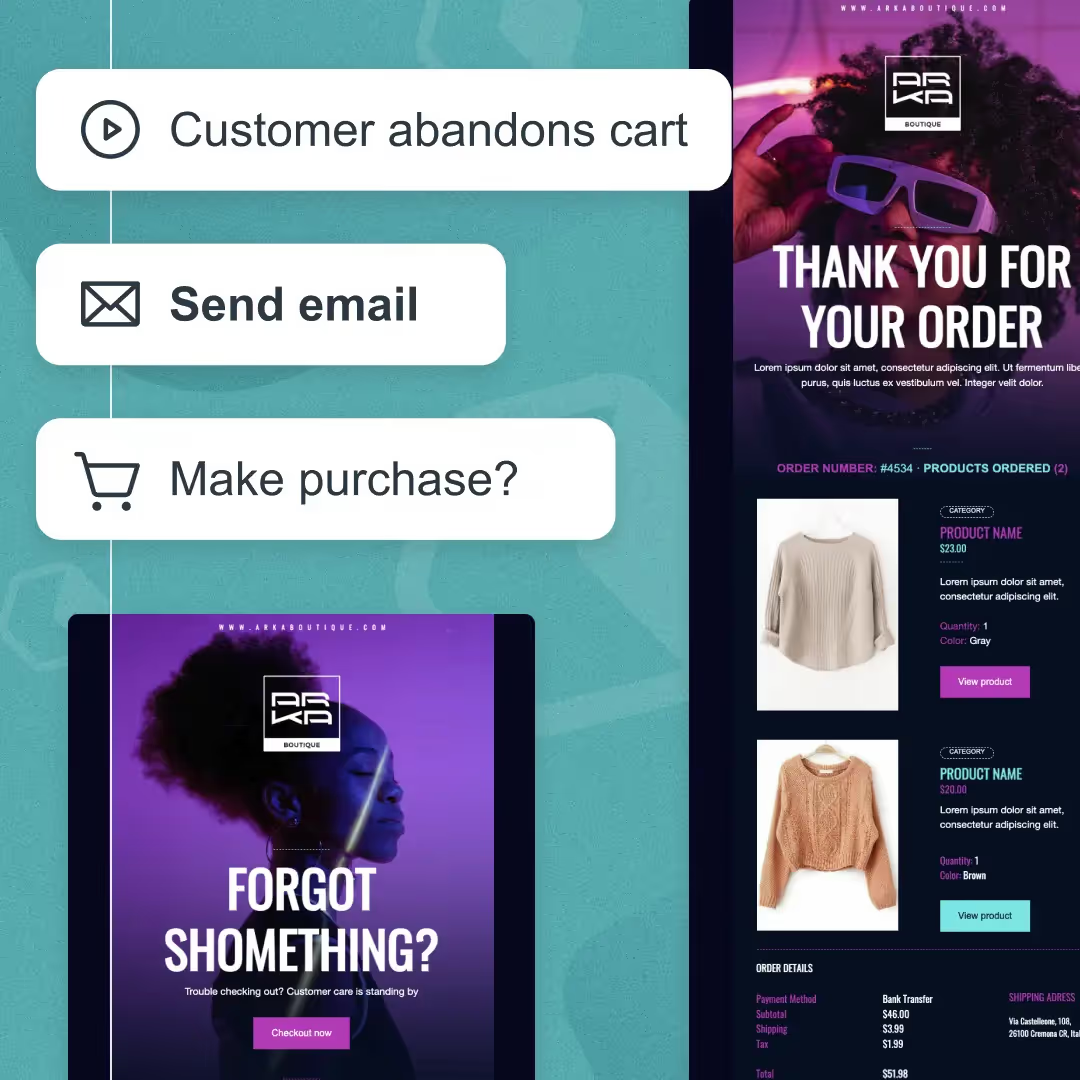
Email marketing automation makes it possible for businesses to send personalized emails at the right time to maximize opens and click-throughs. This marketing process involves triggering specific emails to specific groups or individuals based on the actions they take, ranging from simple actions like sending a thank-you email after a purchase to more complex, multi-step, audience-segmented campaigns aimed at brand awareness, sales, or lead generation.
How do automated emails work?
Understanding how automated marketing emails work involves reviewing the strategic process marketers go through, starting with the conception of a marketing tactic and finishing with its implementation. First, identify a marketing tactic or goal consistent with company objectives, like increasing brand awareness, customer retention, or sales. Second is the strategy formulation stage, developing a comprehensive strategy that considers the target audience's demographics, behaviors, preferences, and needs. Behavioral data like past purchase history helps tailor content that resonates, audience attributes inform segmentation and personalization, and the overall objective determines the appropriate tone, content, and call to action for each email.
Email automation platforms
Marketers leverage email automation platforms to bring their campaigns to life. These platforms are programmed to make segmenting audiences, creating personalized messages, and scheduling emails at the optimal time based on triggers or conditions easier than ever.
How to create an automated marketing email
Step 1. Determine your email marketing goals and target audience
Before crafting your email, establish clear, measurable, and timely goals aligning with your business objectives, whether that's increasing brand awareness, generating leads, or converting leads into customers. Equally critical is identifying your target audience by understanding their behaviors, preferences, and challenges.
Step 2. Craft compelling content
Your subject line, preview text, and email content need to work in harmony to captivate your audience, each playing a crucial role in whether your email gets opened, read, and acted upon. Include clear and persuasive calls-to-action, since readers typically decide whether to click in a matter of seconds.
Step 3. Design your automated email
Good design creates a visual road map for your audience. Each element, from colors and fonts to the placement of images and CTAs, contributes to readability and effectiveness. The design should parallel the email content and your brand: a big sale might warrant bold, bright colors, while a product launch update may stick with traditional brand colors to reinforce identity.
Step 4. Set up automation and triggers
Once you're satisfied with your email's design and content, define the specific conditions or actions that will trigger it to be sent, whether based on user behavior, certain dates, or a specified schedule. Email service providers make these triggers easy to define and the automation process more seamless to set up.
Step 5. Test, analyze, and optimize
Testing is critical, validating that all email elements function properly across devices and browsers, links and CTAs work as intended, and deliverability is solid. A/B testing compares two versions of an email, changing one element like the subject line, CTA, or images, to see which performs better with similar audience segments. Once live, monitor open rates, click-through rates, and conversion rates to understand effectiveness and optimize future campaigns.
The benefits of email marketing automation
Email marketing automation streamlines and maximizes the effectiveness of your email marketing efforts, allowing businesses to nurture leads, increase customer retention, and drive more sales without huge amounts of manual intervention. Key benefits include timely, personalized communication triggered by specific behaviors or events; scalability as your business and customer base grow; and insights into customer behavior and campaign performance through key metrics.
How to get started with email marketing automation
Email marketing automation involves setting clear goals, understanding your audience, crafting compelling content and a visually appealing email design, and setting up automation and triggers. Don't forget to continually test, analyze, and optimize your emails to achieve better results.
Articles to wet your whistle




Subscribe to our newsletter.
Dive into the world of unmatched copywriting mastery, handpicked articles, and insider tips & tricks that elevate your writing game. Subscribe now for your weekly dose of inspiration and expertise.